
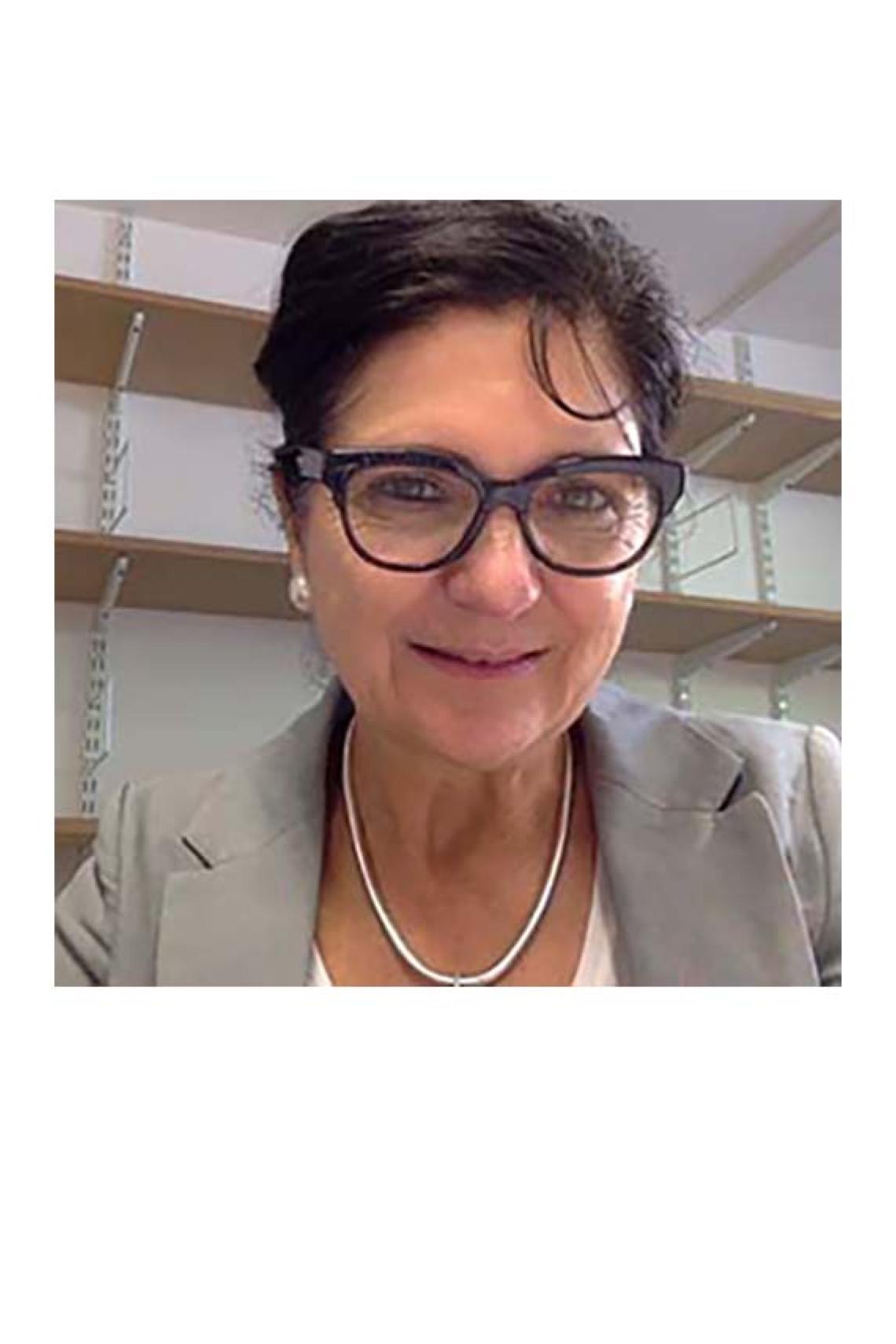
Climate change and the challenges of development: how can we respond to this systemic crisis?
Professor Laura Rival reflects on this ODID event series ahead of its conclusion this Trinity term.
This year, a series of seminars, master classes, talks, and workshops at ODID has been dedicated to addressing a burning question: How can we respond to this systemic crisis? As we saw during Michaelmas Term, the response in Latin America is: ‘by greening the state at the top and from below.’ We looked especially at how Brazil has confronted poverty, inequality, and deforestation in the context of COP 30, and at how Ecuador has continued to defend its constitution, which grants rights not only to Indigenous peoples, but also to nature. We concluded with a round table on how Latin Americans keep democracy alive at a time when the mantra ‘might is right’ seems to rise everywhere as a planetary Tsunami.
During Hilary Term, the responses turned around the broad theme of knowing ‘Nature’ differently. From Indigenous understandings of animacy (are machines alive?) or scientific authority (do reindeer know better?), to the renewal of Darwinian ideas through ‘queer ecologies,’ or the anthropological questioning of biomimicry, the answers have kept the question open. Nature is both real and produced, under human control, and escaping from it. What anthropology shows, though, is that everywhere around the planet communities have learnt to work with ‘Nature,’ rather than against it.
Trinity Term will be dedicated to making visible small but powerful ways of challenging dominant views of what a modern civilisation should entail or look like. As a social scientist, I am deeply aware that keeping democracy alive and securing global prosperity requires a fundamental rethink of the political and economic institutions we have inherited from the 20th century. As an anthropologist with a long career working with natural scientists in the Amazon region, I contribute to this gigantic effort by opening the black box of ‘civilisation’.
Stuart Schussler will show how organisational labour that has connected voices from the Chiapas to those of illegal migrants in Chicago facilitate the making of ‘a world where many worlds fit’ (un mundo donde quepan muchos mundos diferentes).
The Tzotzil and Tzeltal autonomous communities invented the principle of a pluriversal civilization thirty years ago. We are left with the original task of ushering it elsewhere on the planet, not least at the heart of the tyrannic beast. As Krushil Watene will show, this requires taking the developmental capabilities inherent in indigeneity seriously.
Who better than the Blackfoot Confederacy of southern Alberta to illustrate the power of Indigenous diplomacy? As Api’soomaahka (Running Coyote, or in English William Singer III) will show, the return of the bison constitutes a peace treaty (Innaihtsookakihtsimaan) for all who live in Alberta and beyond.
To usher a civilisation fit for our planet, we must change together by restoring relationships with the land and its inhabitants. This will not happen without epistemological labour as German Philosopher David Ludwig will explain. The world is facing interconnected socio-ecological crises such as climate change, economic inequality, and industrial pollution. While scientific knowledge is indispensable for addressing these crises, dominant science is also deeply implicated in their production and acceleration. In response, calls for “doing science differently” highlight the need to transform the institutional and methodological status quo in academia.
More than ever, universities have an important role to play in ushering a civilisation fit for our planet. With the launch of his new book on Governing International Commons, Roger Merino will show how this can be done from Peru, while Luci Attala will demonstrate the key importance of international organisations such as UNESCO in transforming how knowledge informs governance, sustainability, and global policy.